Welcome to
Tina Dunne
Psychotherapy and Supervision
A non-judgemental space that values human connection evoking inner healing and growth.
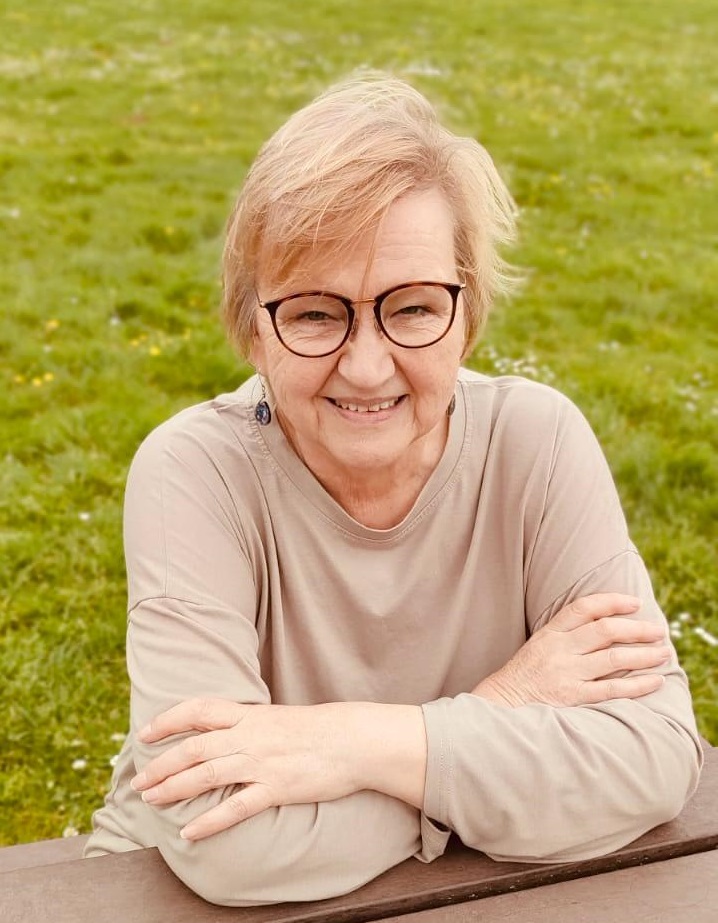
I am a fully qualified and accredited Psychotherapist with an Advanced Certificate in Relational Supervision. My practice is grounded in extensive professional training, and I remain committed to ongoing supervision and continuing professional development to ensure my work remains ethical, reflective, and responsive.
Alongside my clinical training, I bring a lifelong interest in creativity, connection, and human expression. Before becoming a psychotherapist, I spent several years working with musicians who loved to improvise together. It was within these creative and collaborative spaces that I became fascinated by what can emerge when people listen deeply, respond authentically, and remain open to the unexpected. Those experiences helped shape the relational approach that continues to inform my work today.
Central to my work is a belief in the transformative power of relationship. Through a safe and supportive therapeutic connection, new possibilities for growth can emerge.
It is a privilege to accompany people as they navigate life's challenges, and develop a deeper self-awareness.
If you are looking for a therapist who combines professional expertise with warmth, creativity, and authenticity, I would be delighted to hear from you.
I offer both short-term and long-term psychotherapy. Short-term work may focus on a specific issue or challenge you are facing in the present, while longer-term therapy provides an opportunity to explore deeper patterns of thinking, feeling, and relating, many of which have their roots in early life experiences.
As an Integrative Psychotherapist, I draw on a range of therapeutic approaches to meet your individual needs. My aim is to create an environment in which you feel able to bring whatever is present for you, at your own pace.
I pay close attention to the body and the ways it carries emotional experience, particularly in relation to trauma. Traumatic memories are often held not only in the mind but also within the nervous system, showing themselves through tension, pain, numbness, or fight, flight, and freeze responses.
Together, we may gently notice what is happening in your body, attend to words that feel difficult to express, or explore the images, metaphors, and inner experiences that emerge during our work. This embodied approach can open new pathways to understanding, healing, and change.
I am a qualified Relational Supervisor offering both individual and group supervision. Good supervision is not simply helpful, it is essential in the helping professions. I provide a non-hierarchical, non-judgemental space where practitioners can reflect honestly and safely on their work, including the more challenging aspects that may evoke feelings of shame, guilt, uncertainty, or self-doubt.
My belief in the value of supervision grew from my own experience as a psychotherapist, where I witnessed first-hand its capacity to deepen awareness, sustain good practice, and support professional growth. At the same time, I became increasingly aware of how limited this kind of reflective support can be in other frontline professions.
For more than twelve years, I have worked within Bristol’s mental health sector, providing supervision for managers and engagement workers—people who are deeply committed to their roles, yet often working under significant pressure. I bring a grounded, compassionate, and relational approach, supporting practitioners to remain connected to themselves, their work, and the values that drew them to their profession in the first place.
Supervision can offer a space to pause, reflect, recalibrate, and feel supported in your ongoing professional journey.
Although I work in an Integrative way, I have a passion for vocal expression. So many of us unconsciously suppress our voices - literally and emotionally. Over time, this can manifest in , breath-holding, or a chronic tightness in the body. These holding patterns can become so familiar that sadness, numbness, or even depression starts to feel like the norm.
When we begin to gently make the sounds we have held back - sounds we may never have given ourselves permission to express - something can shift. Vocal expression can help release emotional blocks in the body, reconnect us with our feelings, and restore a sense of flow and aliveness.
An experiential wellbeing workshop for remote working teams.
Since the pandemic, remote work has transformed from a rarity to a mainstream norm. In 2019, fewer than 5% of workers in the Uk worked from home. In 2025, more than 40% of employees are working from home, at least part of the week. This has reshaped how and where we work. Working from home changes the way we connect with colleagues. Without water-cooler chats, casual desk conversations, there are fewer chances for casual bonding. It’s harder to pick up the nonverbal cues like facial expressions, tones, or gestures, so messages can come across as flatter or less reassuring. Great changes in the workplace require stronger holding spaces. If your teams are showing effects of isolation fatigue, please contact me for further information.
.avif)
.avif)